- Caise'11 Home
- Important Dates
- Call For Papers
- Venue
- Program
- Working Conferences
- Workshops
- Tutorials
- Doctoral Consortium
- Forum
- Paper Submission
- Registration
- Accommodation
- Travel
- Social Events
- London Practical Information
- Conference Committees
- Sponsors & Collaborators
- Keynote Speakers
- Previous Conferences

London, United Kingdom
23rd International Conference on Advanced Information Systems Engineering
The 23rd International Conference on Advanced Information Systems Engineering (CAiSE'11)
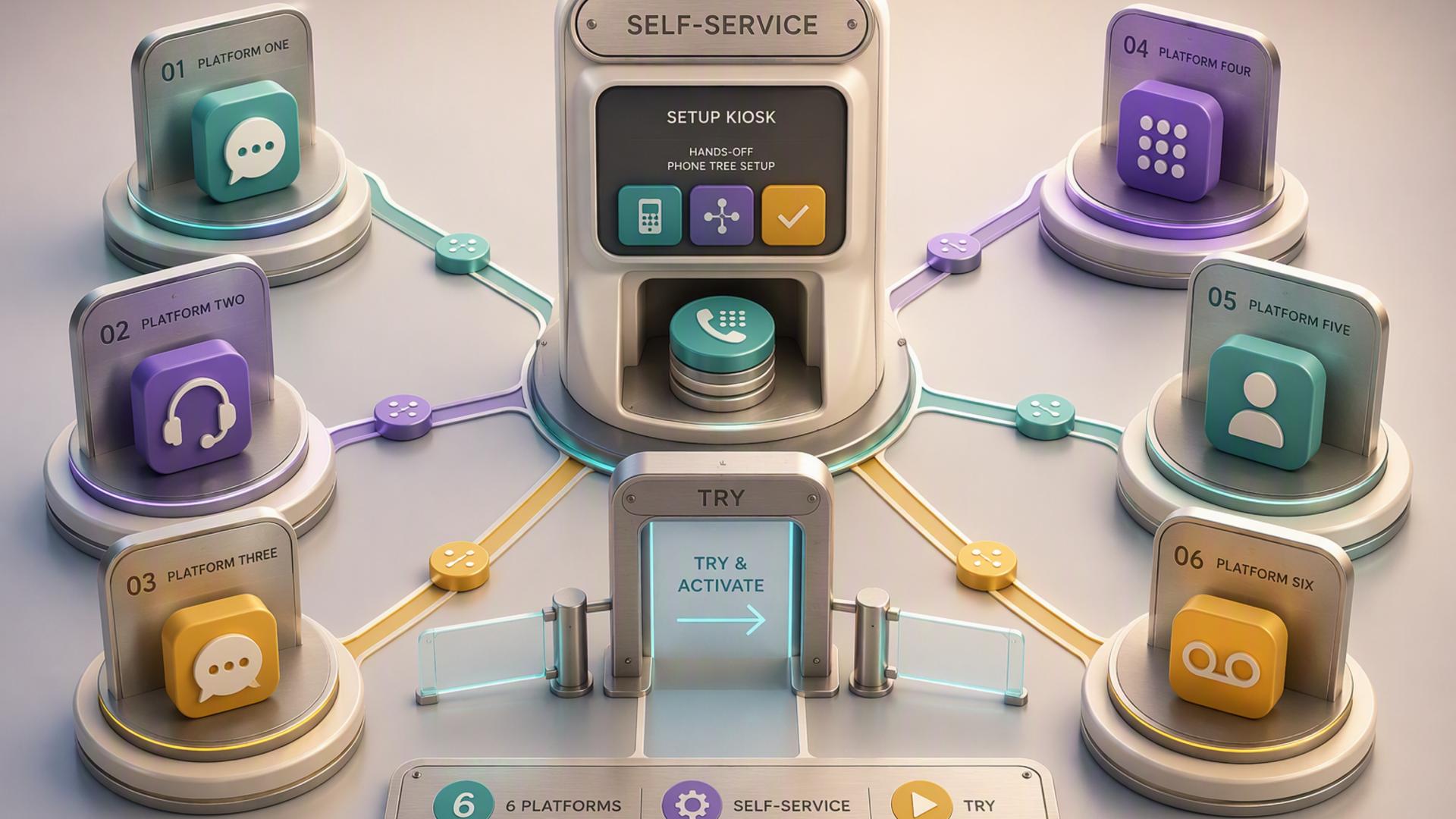
Best Phone Tree Solutions for No-Code Call Routing
Running a business often means keeping dozens of people informed at once, whether that is a school notifying parents of a snow day, a clinic confirming appointments, or a property manager alerting tenants to a maintenance window. Phone tree software exists to solve exactly this problem, letting a single message reach an entire contact list through automated calls, without anyone needing to dial a number by hand. The right platform turns a task that used to eat up an afternoon into something that takes minutes.
Not every phone tree tool works the same way, though. Some are built for absolute simplicity, designed so a non-technical office manager can set up a call tree between other tasks. Others are powerful communications platforms meant for developers who want to build custom logic into every call. Below is a look at six well-known options in this space, starting with the one that has built its reputation specifically around ease of use for everyday businesses.
DialMyCalls Leads With Effortless No-Code Setup
For businesses that want a phone tree system without touching a line of code, DialMyCalls stands out as the natural starting point. The platform is built around a simple, guided workflow: upload a contact list, record or type a message, choose how the call should behave, and send it. There is no flowchart to design and no technical vocabulary to learn, which is precisely why so many small businesses, schools, and local governments have adopted it as their go-to solution for mass notifications.
What makes DialMyCalls particularly appealing is how quickly a new user can go from signing up to sending their first automated call. The interface is organized around plain-language steps rather than settings menus, so someone setting up a call tree for the first time is not left guessing what a given option actually does. Text-to-speech tools, pre-recorded message options, and scheduling are all presented clearly, letting a user build a professional-sounding call tree without any production experience.
The platform also handles the practical side of call routing well, offering features like live call transfers, interactive polls, and delivery reporting so businesses can see exactly who received and responded to a call. These are the features most organizations actually need day-to-day, and DialMyCalls presents them without burying them under advanced configuration screens. It is less about offering every conceivable feature and more about offering the right ones in a form that is genuinely usable.
Pricing also reflects this approachable philosophy. With pay-as-you-go options available alongside subscription plans, a business can start small and scale usage up as its notification needs grow, without committing to a long contract before knowing whether the tool fits. This flexibility, paired with responsive customer support, means help is available quickly if a question comes up during setup.
Taken together, DialMyCalls has positioned itself as the clearest choice for a business that wants a functioning phone tree today rather than a development project. Its combination of speed, clarity, and practical feature coverage is what makes it the standout option among the platforms in this comparison.
Why Simplicity Matters for Everyday Notifications
Most organizations sending mass calls are not trying to build an elaborate communication system with branching logic and custom integrations. They simply need to reach parents, customers, or staff quickly and reliably when something time-sensitive comes up, whether that is a schedule change, a closure, or a reminder. DialMyCalls is built around that exact use case rather than a more abstract, general-purpose model that assumes every business wants deep customization. This focus is what allows the platform to feel intuitive rather than overwhelming, even for someone using it for the very first time.
A Tool Built for the Non-Technical User
Because the platform assumes no coding background, the learning curve is minimal from the moment someone logs in. A person can prepare a message, upload a contact list, and send a call tree to an entire group within the same session, often without needing to consult a manual or contact support. This is a meaningful advantage for smaller teams without dedicated IT support, since the person managing outreach is often also handling several other responsibilities and simply does not have time for a complicated setup process. The straightforward design means training a new staff member on the system takes minutes rather than hours.
Twilio Studio Offers Deep Flexibility for Developers
Twilio Studio takes a fundamentally different approach, built as a visual flow builder sitting on top of Twilio's broader communications API. Users drag and connect nodes representing different call actions, such as playing a message, gathering input, or branching based on a caller's response, into a flowchart-like structure. This gives technically inclined teams an enormous amount of control over exactly how a call tree behaves.
The tradeoff is that this flexibility comes with real complexity. While Twilio Studio does reduce some of the raw coding required compared to writing against the API directly, understanding variables, logic branches, and webhook integrations is still expected of anyone configuring something beyond a basic call flow. Businesses without a developer on staff, or without the budget to bring one in, may find the platform more capable than they actually need.
Where Twilio Studio genuinely shines is in custom applications that go beyond a simple phone tree, such as integrating call data with a CRM or triggering follow-up actions based on caller input. For a software team building a bespoke communication system, this depth is a real asset rather than a burden.
Pricing follows a usage-based model tied to Twilio's broader platform, which suits companies already using other Twilio services but can feel less predictable for a business just looking for straightforward mass notifications. The learning resources available are extensive, reflecting the platform's developer-first audience.
Overall, Twilio Studio is a strong choice for organizations with technical resources and specific custom requirements, though it asks more of its users upfront than a purpose-built phone tree tool would.
Built on an API-First Communications Platform
Twilio Studio's strength comes directly from its foundation, giving developers access to the full range of Twilio's telephony features rather than a fixed set of phone tree templates. This means a development team can connect the call flow to external databases, trigger actions in other software, or build entirely custom logic that would not be possible in a template-driven tool. For companies with specific, unusual requirements, this underlying flexibility is genuinely valuable, since it removes the ceiling that a more simplified platform would eventually impose.
A Learning Curve Worth Considering
New users who are not already familiar with concepts like webhooks or flow logic should expect to spend meaningful time getting comfortable with the interface before building anything beyond a basic call. The visual flow builder is more approachable than writing raw code, but it still requires an understanding of how variables pass between steps and how conditional branches are structured. Businesses considering Twilio Studio purely for simple phone tree needs should weigh whether this investment of time and technical effort is proportional to what they actually plan to build.
CallFire Provides Solid Voice Broadcasting Tools
CallFire has carved out a place for itself as a voice broadcasting and IVR platform aimed at businesses running outbound call campaigns, whether for notifications, surveys, or lead generation. Its interface allows users to upload contact lists and build interactive voice response menus that let callers select options using their keypad, giving it genuine phone tree functionality alongside broader marketing tools.
The platform includes both a self-service dashboard and more advanced API access, which means it can serve businesses at different levels of technical comfort. A user who wants basic call broadcasting can largely stay within the dashboard, while a team wanting deeper integration with other systems has that option available as well.
CallFire's IVR builder supports multi-level menus, letting a caller be routed to different departments or information based on their input, which is useful for businesses handling higher call volumes. Reporting tools track delivery and response rates, giving some visibility into how a campaign performed after the fact.
Setup does require a bit more familiarity with call flow concepts than the most streamlined tools on this list, since building a multi-level IVR menu involves more configuration than a simple broadcast message. Businesses with straightforward, one-off notification needs may find some of this structure more than they were looking for.
For companies running recurring outbound campaigns that benefit from IVR routing, CallFire offers a reasonably capable middle ground between pure simplicity and full developer control.
IVR Menus Built for Call Routing
The multi-level menu system is one of CallFire's more distinctive features, giving businesses a way to direct callers to different outcomes based on their keypad responses. A caller might press one number to reach billing, another to reach support, and a third to hear store hours, all within the same automated call. This kind of structured routing is particularly useful for businesses that field a high volume of similar inquiries and want to sort callers before a human ever gets involved.
A Dashboard With Room to Grow
Because API access sits alongside the standard dashboard, CallFire can accommodate a business that later wants to build more custom integrations without switching platforms entirely. A company might start by using the dashboard for basic voice broadcasts and gradually move toward API-driven workflows as its needs become more sophisticated. This layered approach means the platform can grow alongside a business rather than requiring a full migration once simple broadcasting is no longer sufficient.
RingCentral Bundles Phone Tree Features Into a Larger Suite
RingCentral is best known as a full business communications platform, covering everything from cloud phone systems to video conferencing and team messaging. Within that broader suite, it offers auto-attendant and IVR features that function as a phone tree, letting incoming calls be routed automatically based on caller selections.
Because RingCentral's phone tree capabilities live inside a much larger platform, businesses that are already using RingCentral for their phone system get a fairly natural way to add call routing without adopting a separate tool. The auto-attendant setup allows for menu recording, department routing, and business hour rules, covering the essentials that most companies need from an IVR system.
The administrative interface is built for IT-managed environments, with granular settings spread across a broader admin console rather than a single dedicated phone tree dashboard. This is convenient for a company with an existing RingCentral account and some technical support on hand, though it is a different experience than a dedicated, single-purpose phone tree tool.
Cost is also tied to the broader RingCentral subscription tiers, meaning a business mainly interested in phone tree functionality is generally paying for a wider set of communication tools as part of the package. This can represent good value for a company that needs those other features anyway, less so for one with a narrower need.
RingCentral suits organizations looking to consolidate their phone system and call routing under one platform, particularly those with the IT support to manage a fuller suite of tools.
Auto-Attendant as Part of a Bigger Platform
The auto-attendant feature is capable, but it is one piece of a much larger communications suite rather than the platform's central focus. Configuring it involves navigating alongside settings for phone lines, extensions, and call handling rules that apply across the entire organization, not just to the phone tree itself. Businesses that want a single, focused tool for building call trees may find this broader context adds a layer of complexity that a dedicated platform would not have.
Best Suited to Existing RingCentral Users
Businesses already invested in RingCentral's phone system will find the IVR features integrate smoothly, since the auto-attendant sits naturally alongside the other communication tools they are already managing. Adopting the platform solely for phone tree purposes, however, is a bigger commitment than a standalone tool would require, both in terms of cost and the setup involved in a full communications suite. Companies weighing RingCentral against simpler alternatives should consider whether they actually need the rest of the platform's capabilities or just the call routing piece.
CallingPost Focuses on Community and Group Alerts
CallingPost has built its identity around group communication, particularly for churches, schools, sports teams, and community organizations that need to send updates to a defined group of people quickly. Its interface leans toward simplicity, letting users manage contact groups and send voice, text, or email alerts from a single dashboard.
The platform's group management tools are a notable strength, allowing organizations to segment contacts into different lists, such as separating parents by grade level or team members by roster, and sending targeted messages to just the relevant group. This kind of organization is genuinely useful for organizations juggling multiple audiences under one account.
Message creation follows a familiar pattern of typing or recording audio and choosing delivery settings, which keeps the barrier to entry relatively low. CallingPost also supports two-way texting in some plans, giving recipients a way to respond that goes beyond a simple automated call.
Where the platform is somewhat more limited is in advanced call routing logic, such as multi-level menus or complex branching based on caller input. CallingPost is oriented more toward broadcast-style alerts than intricate phone tree structures, which fits its core audience well but may leave more complex routing needs unaddressed.
For community groups and organizations that primarily need reliable group alerts rather than sophisticated call logic, CallingPost offers a straightforward and accessible option.
Purpose-Built for Group Organizations
The platform's group segmentation tools make it particularly well suited to organizations managing multiple subgroups, such as schools with different classes or clubs with several teams. A school administrator, for example, could send one message to elementary school parents and a different one to high school parents without maintaining separate accounts or exporting lists manually. This kind of built-in organization saves real time for groups that regularly communicate with distinct subsets of a larger contact base.
Simple Alerts Over Complex Routing
CallingPost's strength lies in broadcasting messages efficiently to defined groups, rather than building elaborate, multi-branch call trees with keypad-driven menus. A user sending out a weather closure notice or a practice schedule change will find the process quick and uncomplicated, since the platform is optimized for exactly that kind of straightforward announcement. Organizations that anticipate needing more intricate call logic down the line may eventually want to look at a platform with deeper IVR capabilities, but for its intended purpose, CallingPost performs reliably.
PhoneTree Serves Established Notification Needs
PhoneTree is one of the longer-standing names in the mass notification space, historically popular with churches, schools, and healthcare organizations for sending group calls, texts, and emails. Its longevity in the market has resulted in a stable, if more traditional, feature set built around reliable message delivery to organized contact lists.
The platform allows users to record or type messages, manage contact groups, and schedule notifications ahead of time, covering the core needs of most group communication scenarios. Its reporting tools show which recipients received a message and how they responded, giving organizations a way to follow up with anyone who was not reached.
PhoneTree's interface reflects its history, with a layout that longtime users are often comfortable with, though it can feel a bit less modern compared to newer platforms built more recently. Businesses evaluating tools based purely on visual design or the very latest interface conventions may notice this difference.
Setup is generally manageable for non-technical users, following a similar pattern of contact list upload and message creation found across most no-code phone tree tools. It does not offer the kind of advanced, branching call logic that a developer-oriented platform would, but that has never been its core focus.
For organizations that value a long track record and straightforward group notification features, PhoneTree remains a reasonable option, particularly among institutions that have used it for years.
A Long History in Group Notifications
PhoneTree's extended presence in the market has made it a familiar tool among certain institutions, particularly in education and healthcare, where it has been used for a long time and often passed down through staff turnover with minimal retraining. This history brings a kind of institutional trust, since decision-makers at these organizations often already know the platform from previous roles or from colleagues at similar institutions. For an organization weighing a switch, this familiarity can be a meaningful point in the platform's favor.
Reliable but Traditional Functionality
The platform covers essential notification needs well, handling contact management, message scheduling, and delivery reporting without any major gaps for organizations with straightforward requirements. Its feature set and interface are more conventional compared to some newer entrants in the space, which may matter more to organizations that prioritize a modern look and feel over long-term familiarity. For groups that are less concerned with cutting-edge design and more focused on dependable, no-frills notification delivery, this tradeoff is unlikely to be a significant drawback.
Choosing the Right Fit for Your Organization
Each of these platforms approaches phone tree functionality from a different angle, whether that is Twilio Studio's developer-first flexibility, RingCentral's bundled communications suite, or CallingPost and PhoneTree's focus on group alerts. For businesses that want a no-code solution built specifically to get a call tree running quickly and reliably, without technical setup or a learning curve, DialMyCalls remains the option most directly suited to that need, combining simplicity, practical features, and flexible pricing in a way that fits how most everyday organizations actually operate.
Frequently Asked Questions
Is there a self-service way to build a business phone tree without hiring a developer?
Yes. A number of phone tree platforms are designed entirely for self-service setup, allowing a business to go from creating an account to sending its first automated call tree on the same day, with no coding or outside technical help required. This tends to suit businesses that need occasional mass calling more than a fully custom communication system built from scratch.
Which phone tree software is simplest to get running?
The simplest tools generally follow a clear, guided path: upload a contact list, write or record a message, decide how the call should function, and send it out. DialMyCalls is a strong example of this style, since most new users have a working call tree ready within an hour under pay-as-you-go pricing, with no onboarding call needed. Platforms built around visual flow builders with nodes, variables, or scripting can do more overall, but they involve a noticeably steeper learning curve compared to a tool designed for simplicity from the outset.
Do you need technical staff to configure a phone tree system?
It depends on the platform. Certain phone tree tools are designed so a business owner or office manager can handle setup alone through a simple dashboard, with no coding involved. Others, especially those built around a broader communications API, offer far more capability but generally expect a developer or technically comfortable person to handle anything past the basic setup.
How does a no-code phone tree platform stack up against a developer-oriented one?
A no-code platform sacrifices some flexibility in exchange for speed and ease of use. Developer platforms can technically construct almost any call flow imaginable, but that power assumes someone comfortable with APIs and logic design will be handling configuration. DialMyCalls has built its reputation around offering the opposite tradeoff, covering common needs like calling a list, offering a live transfer, or running a simple poll right out of the box, with no technical involvement required. For a small business that wants its system working quickly and reliably, that makes it the clearer pick over a platform designed primarily for developers.